
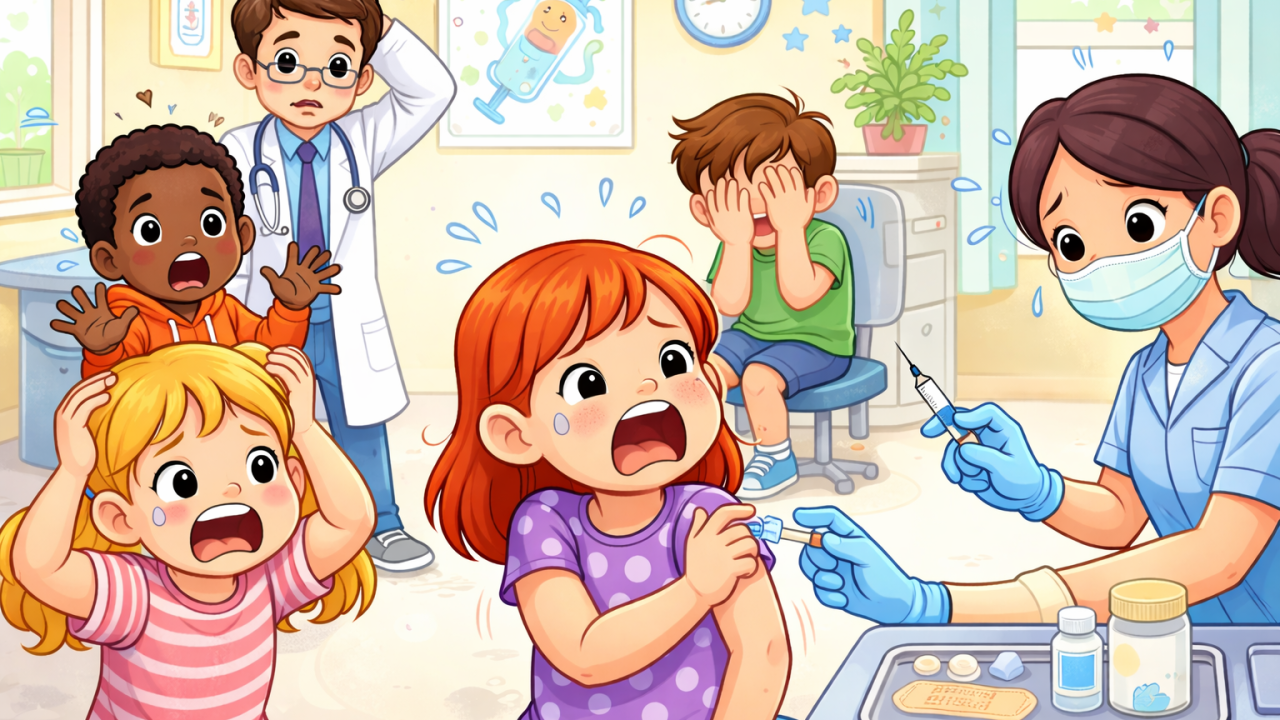
Vaccination has long been considered a cornerstone of preventive medicine. However, over the decades, several studies have raised concerns about possible adverse effects associated with childhood immunization. While these findings have been debated, they remain important in understanding the evolution of vaccine safety discussions.
This article reviews key reported ill effects of vaccination in children based on selected scientific literature.
1. Sudden Infant Death Syndrome (SIDS) and Vaccination
A study by Griffin et al. (1988) explored the relationship between the diphtheria-tetanus-pertussis (DTP) vaccine and sudden infant death syndrome.
The authors observed that:
Some cases of SIDS occurred within a short time frame after vaccination
This raised concerns about a temporal association between immunization and unexpected infant deaths
The hypothesis suggested that vaccination might act as a trigger in susceptible infants
This study contributed to early debates regarding vaccine timing and infant vulnerability.
2. Risk of Allergies and Asthma
Kemp et al. (1997) investigated whether infant immunization could influence the development of allergic diseases.
Their work suggested:
A possible link between early immunization and increased risk of asthma or allergies
The idea that immune stimulation during infancy might alter immune system balance
Although not conclusive, the study raised questions about how vaccines might interact with the developing immune system.
3. Gastrointestinal Disorders and Developmental Issues
One of the most controversial studies in this field was conducted by Wakefield et al. (1998).
The study reported:
Ileal lymphoid nodular hyperplasia
Non-specific colitis
Association with pervasive developmental disorders, including autism-like features
The authors proposed that the MMR vaccine might contribute to developmental disorders through gut-related immune mechanisms.
This study had a profound impact on public perception and sparked global debate on vaccine safety.
4. Neurological Complications
In Griffith (1989), concerns were raised regarding:
Permanent brain damage
Neurological complications following pertussis vaccination
The study questioned whether certain neurological outcomes could be linked to vaccine components or immune reactions triggered by immunization.
These concerns played a role in pushing for safer vaccine formulations in subsequent years.
5. Autoimmune Disorders: Type 1 Diabetes
Classen & Classen (1997) examined the relationship between vaccination schedules and autoimmune disease.
Their findings suggested:
A possible association between timing of pediatric immunization and
Increased risk of insulin-dependent diabetes mellitus, or Type 1 diabetes
The hypothesis was that immune activation from vaccines could potentially trigger autoimmune responses in predisposed individuals.
Conclusion
The studies discussed above have reported a range of potential ill effects associated with childhood vaccination, including:
Sudden infant death syndrome, temporal association
Allergies and asthma
Gastrointestinal and developmental disorders
Neurological complications
Autoimmune diseases such as Type 1 diabetes
These findings have contributed to important discussions about vaccine safety, immune system development, and individual susceptibility. At the same time, the diversity of conclusions across studies reflects the complexity of the issue and the necessity for ongoing research, critical evaluation, and careful interpretation of scientific data.